Showing posts with label Saskatchewan. Show all posts

Saturday, 11 November 2017

Official and Unofficial Placenames

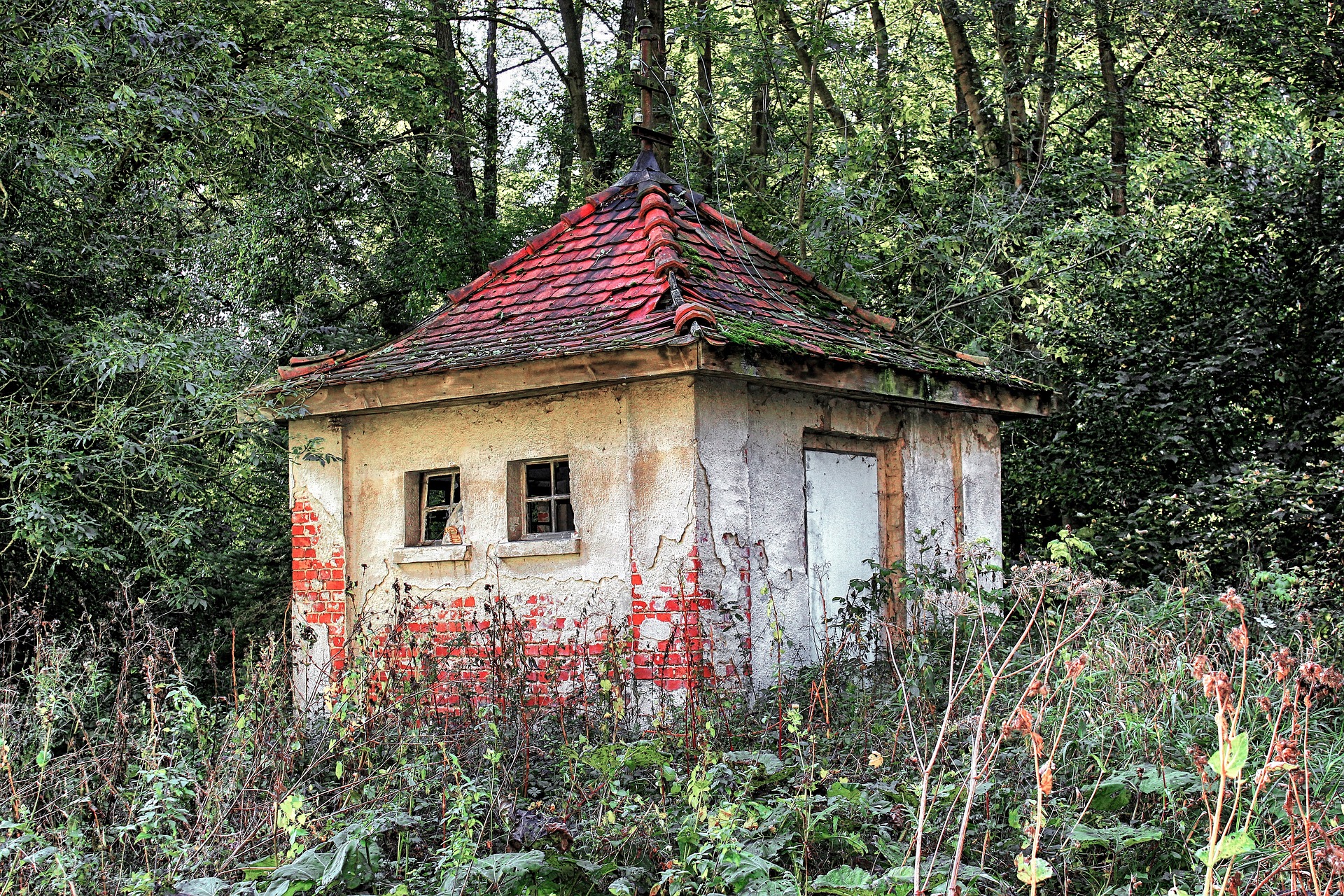
In Saskatchewan, a dissolved hamlet is an unincorporated or unofficial community of residents that is under the jurisdiction of a rural municipality. These may be referred to at times as Saskatchewan Ghost Towns. What differentiates an unincorporated area from an official or incorporated placename? Old house
"We are addresses in ghost towns. We are old wishes that never came true." Pete Wentz
Rural areas or sparsely populated villages may prefer to stay unincorporated. Unincorporated villages do not govern themselves or provide their own municipal services. Instead, these services are provided by a larger nearby town or usually the rural municipality in Saskatchewan. They also must follow the rules and regulations of the larger town or RM, as they do not have their own administrative officials. Typically, unincorporated villages are very small. They may be rural areas, or small towns between larger towns. Either way, they do not have the population to sustain the expense and time required to set up all the services an incorporated village requires. In Saskatchewan, there should be 25 separate dwellings within a land area of 640 acres to qualify for incorporation. There are a few villages in Saskatchewan with fewer than 100 residents.

According to the Provincial Archives of Saskatchewan, "When asking for incorporation, the Department of Municipal Affairs may historically have lists of petitioners asking the Minister for incorporation: In the case of rural municipalities, each petitioner was required to give the legal land description of his home farm. For urban municipalities, each petitioner had to state an occupation and often provided the legal description of their lot. There also may be special municipal census records outside of and over and above the National census taken every five years. Beginning in 1914, legislation required that a census be taken in hamlets that were petitioning for incorporation as a village. The census included the name and address of every resident." Three of these census are online Duff 1920, Insinger 1921, and for Neudorf 1901

  In Saskatchewan, a hamlet is an unincorporated community that is under the jurisdiction of a rural municipality. It has at least five occupied dwellings situated on separate lots and at least 10 separate lots, the majority of which are an average size of less than one acre. The people of an organized hamlet may request that the hamlet be incorporated as a village or resort village. In order to qualify, the hamlet must have been an organized hamlet for at least 3 years, have a population of at least 100 in the most recent census, and contain at least 50 separate dwelling units or business premises. The Government of Saskatchewan recognizes three different types of hamlets – generic "hamlets", "special service areas" and "organized hamlets"
On occasion a deer would gallop through the streets or a bird alight on the tall black lampposts, but other than that the only noise was the wind. At the train station stood seven high-speed engines with multiple high-class carriages but the clock on the wall had long given up on telling the time. By anomaly it topped the nations charts for lack of crime, smallest hospital wait-lists and lack of children failing in school. It was a ghost town, or perhaps a ghost city. Built in the belief that people would come and industry follow. They just never did. Angela Abraham
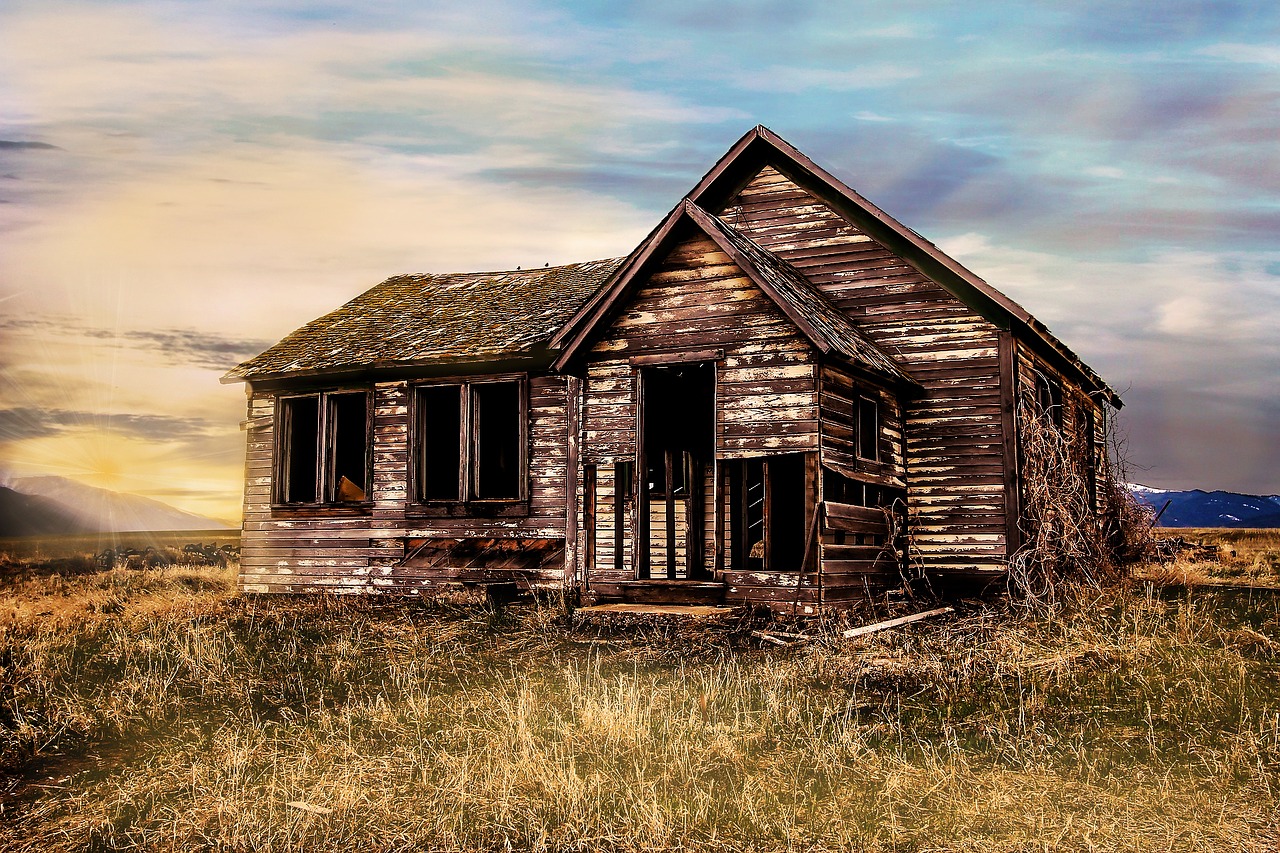
Old Farmhouse Old Farmhouse
 Incorporated villages are those that are self-governing with their own administrative body, and major decisions are voted upon by the people who live there. These villages also provide their own municipal services, such as fire and police. Since setting up these services and administration is time-consuming and costly, villages must have enough taxpayers to afford the expense and effort of being incorporated. Some states and provinces allow villages to incorporate but only provide some of the administrative and municipal services, allowing other services to be supplied by a larger, neighboring town or rural municipality. Following incorporation as a village, the land area has a name and boundaries, and a council is elected with elections Taxes collected go to the new municipality, rather than to the RM council. The RM council has no authority over the village, rather the new bylaws, and local improvements and duties are decided by the village council according to the The Tax Enforcement Act and Municipal Administration guidelines The Government of Saskatchewan incorporation process to establish either a village or resort village from hamlet status which then proceed according to the municipalities act

In Saskatchewan, towns are formed from villages or resort villages with a population of at least 500 people. However towns with populations below the limit may, however, revert to village or resort village status if the town council requests it. In Saskatchewan, towns must have a population above 5,000 in order to be granted city status. Another municipality in Saskatchewan is a rural municipality (RM) is created by the Minister of Municipal Affairs by ministerial order via section 49 of The Municipalities Act. According to the Saskatchewan Association of Rural Municipalities,

 "In 1883, the federal government gave the legislative council of the North West Territories the authority to make laws respecting local government. .... Those areas that did not form municipalities were organized as Local Improvement Districts (LID's) and, Statute Labour and Fire (SLF) Districts." Historically it was found that a failure of the LID and SLF larger than the 36 square kilometers originally allocated for RM administration was a bit hard to maintain during the era of horse and buggy.

 "in 1905, the provincial government established the Spencer Commission to develop a standard framework for local government organization. This was in response to the increasing demands being placed upon local councils by the seemingly endless influx of settlers. By 1907, the Commission had held meetings throughout the province at which it solicited the opinion of the people as to: what responsibilities and authority local councils should have; how large rural municipalities should be; how many councillors were required in each rural municipality; and how often elections should be held, among other things."SARM The Spencer Commission resulted in ..... "The first legislation specifying the powers of rural municipalities, towns, villages and cities in Saskatchewan was passed in 1909. " Municipal Council Member’s Handbook Saskatchewan Ministry of Municipal Affairs

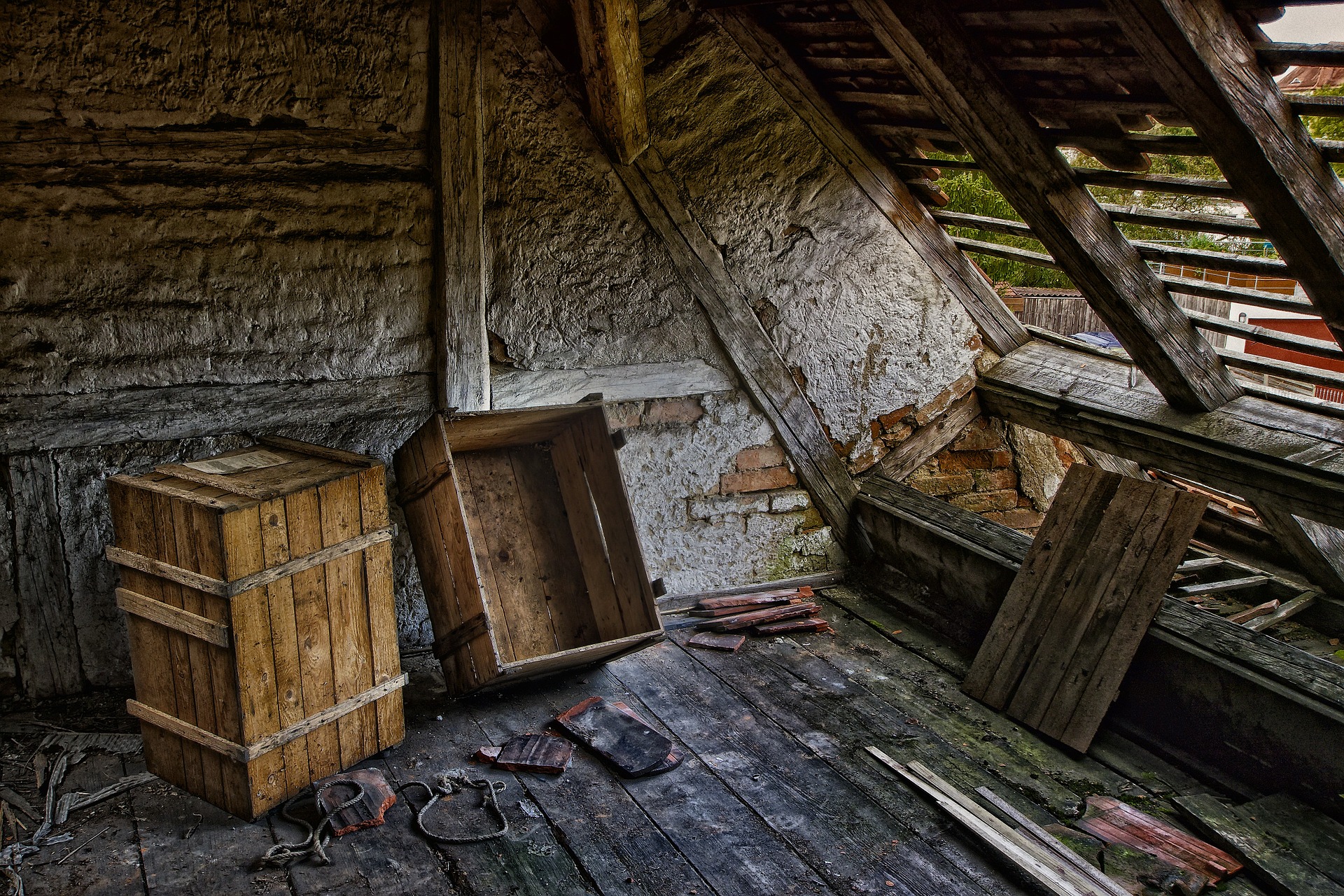
 An RM may have its office in a town or village, which has its own separate and distinct civic administration, but the RM administers the rural affairs of a large land area including rural residents, unincorporated areas or ghost towns. The RM administers the remaining population of the ghost town providing any needed civic infrastructure, safety, health, educational, or tourism affairs. Localities with small populations are enumerated in census taking by Statistics Canada as a population belonging to the RM. Decayed Building Historically an RM began as a SLF when the fear of grass fires threatened the lives and livelihood of local homesteaders of Saskatchewan. These Fire Districts became known as Local Improvement Districts LID. LIDs were exactly that - seeking to improve the local community, establishing cemeteries, honouring war dead, providing health care, roads, bridges. Later LIDs were seen as very large areas, and the concept of the Rural Municipality began which started out as nine townships, or administering an area six miles by six miles in area, which could more readily serve the rural population with administrative and infrastructure services such as education, telephone, water, sewer, recreation, lighting in addition to the services of the Fire District and LID.
 Unincorporated communities include hamlets and organized hamlets within rural municipalities and northern settlements within the Northern Saskatchewan Administration District NSAD. Unincorporated communities In land law, an unincorporated community is a populated place that is not within any incorporated municipality, but are within the jurisdiction of a rural municipality, county or other political subdivision. Residents in an unincorporated community pay taxes to the RM, and rely on the RM, reeve and councillors for the bylaws, administrative decisions, infrastructure, and emergency services such as fire and police and the like. Though some incorporated communities do have emergency services shared or supplied by a larger town or RM.

When incorporated, a collective group of residents in the community have a little more control over their local neck of the woods. According to the 2016 census of population just recently released, a determination can be made about the status of placenames whether they are official or unofficial, hamlet, village, town, city or rural municipality.

Here is an example of Watson incorporating from a village to a town.

 Dunblane is an example of a community which incorporated as a village in 1916, and then when population dwindled, the village officially disorganised in 1975 - or became an unincorporated or unofficial area.
The ghost town was out of place in the rolling hills of yellowing grass. The old road was barely discernible through the flora that had colonized it .... The only welcome was the howl of the wind and the only future of the town was to be slowly beaten by the weather and eventually succumb to gravity without even a witness or person to mourn its passing. Angela Abraham
________________________________________________________________________________ Related Posts: 1921 Canada Census: Place of Habitation :: Rural Municipalities explores Rural Municipality placenames which are no longer in existence

Rural Municipalities of Saskatchewan

 Saskatchewan Evolutionary Changes Maps and the lost Placenames

 Country Roads Leading Home

 Where were Saskatchewan homesteads located?

 How do I locate my Ancestors Home Town in Saskatchewan?

  Locate Your Saskatchewan Place-name Maybe the Ghosts Will Live Again! Saskatchewan Ghost Towns… Do you have oral history about a Saskatchewan placename not on a current map? How do you find those communities which were once dotted around the prairie every six miles or so? ________________________________________________________________________________ All rights reserved. Copyright © Julia Adamson All my images and text are protected under international authors copyright laws and Canadian photography laws and may not be downloaded, reproduced, copied, transmitted or manipulated without my written explicit permission. They may be licensed through Getty images. .. Peace and love be with you. Namaste. ________________________________________________________________________________ Follow me on Sask Gen Web, 500 px, Word Press, Facebook, Blogger, Twitter, Tumblr, Live Journal, Flickr, and Flickriver ________________________________________________________________________________ Aum_Kleem - View my most interesting photos on Flickriver _________________________________________________________

Sunday, 5 November 2017

Maps and the Genealogist

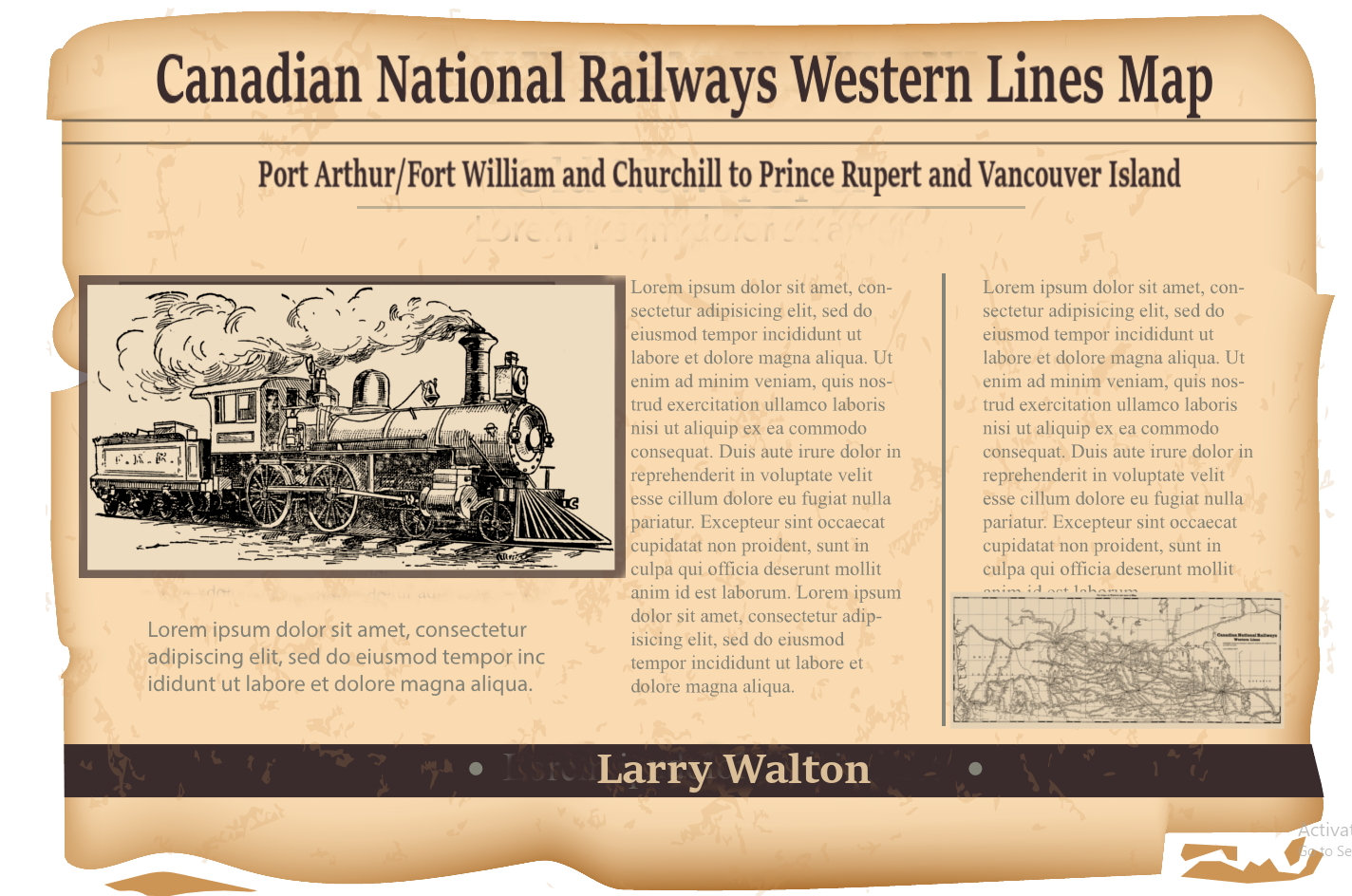
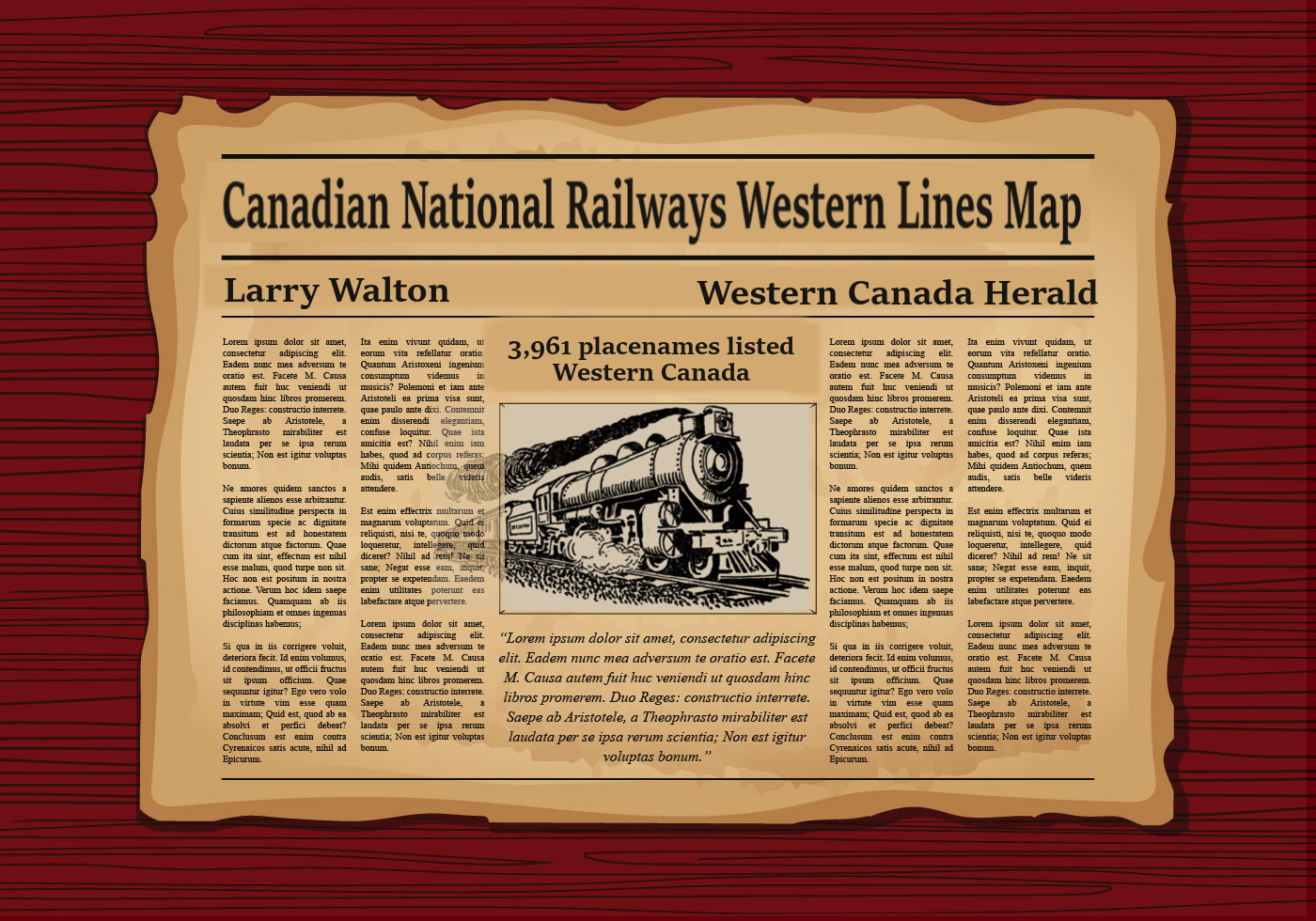
Old Newspaper article National Railways Western Lines Map depicting Port Arthur / Fort William and Churchill to Prince Rupert and Vancouver Island. BC, Alberta, Saskatchewan, Manitoba, Ontario Larry Walton

“In cartography, as in medicine, art and science are inseparable. The perfect map blends art and science into an effective tool of visual communication.” ~ Dr. Keith Harries

How to travel to a homestead or unofficial placename in Saskatchewan or Western Canada. How to determine distances between contemporary placenames and ghost towns. Do you have an historic document or correspondence which has a placename that you have not heard of previously? The homestead or locality which does not appear on a modern map are an enigma to the traveller trying to find the ancestral home. The genealogical researcher may wish to locate a local history book, or cemetery to glean more information about their family tree, however where would one locate the Saskatchewan place name "End Lake" or "Roderickville" for instance? One very excellent resource is Geographical names in Canada | Natural Resources Canada Looking up a placename for any locale in Canada will produce the latitude and longitude along with a map, legal land description along with nearby placenames and the distance from the longitude / latitude supplied or the distance from the placename searched. Another is the Online Historical Map Digitization Project showing maps, atlases and gazetteers from 1862 to the mid 1950s, genealogists and historians can find a variety of maps are a valuable reference tool for information about places, place names and their locations. Old Newspaper article National Railways Western Lines Map British Columbia, Alberta, Saskatchewan Manitoba, Ontario.  By Larry Walton

Check the two Atlas of Saskatchewan books along with Bill Barry's Geographic Names of Saskatchewan for placenames and their locations book ISBN1-897020-19-2. Saskatchewan local history directory : a locality guide to community and church histories in the Prairie History Room, Our Towns: Saskatchewan Communities from Abbey to Zenon Park By David McLennan and Saskatchewan Ghost Towns are other major resources to help you on your way with your preliminary research online. Search Saskatchewan Placenames amalgmates placenames from the National Archives resources, various books and atlases, and historical maps. An historical location may be defined by the legal land location. How easy is it to locate Roderickville located at section 20 township 15 range 10 West of the third meridian? 
“A map is the greatest of all epic poems. Its lines and colors show the realization of great dreams.” ~ Gilbert H. Grosvenor

Roderickville appears on Larry Walton's Canadian National Railways Western Lines Map a part of the Online Historical Map Digitization Project and Roderickville also shows up in Geographic Names of Saskatchewan. It then becomes apparent that Roderickville is located just west and south of Swift Current near Rush Lake on the Canadian National Railway. Travelling to Roderickville, now becomes much easier with such bearings. Obtaining a modern Rural Municipality map then provides current roads for the area. The determination of which Rural Municipality needs to be contacted can be derived from one of these maps which will help locate the legal land description, in this case section 20 township 15 range 10 West of the third meridian for Roderickville. This legal land location can be identified by

Rural Municipality Coulee No. 136
Latitude Longitude
50.273554 -107.345313
50° 16.413' N 107° 20.719' W
50° 16' 24.79" N 107° 20' 43.13" W
Township Road 154 Range Road 3105
MGRS/USNG UTM NTS 13U CR 32882 71677 13N 332882 5571678 C-28-C/72-J-6
So by entering in the degrees longitude and latitude into Geographical Names of Canada, the determination is made that: Neighbouring placenames to Roderickville are
  • Braddock 24-13-11-W3 is a nearby Locality 19 kilometers
  • Burnham 16-15-11-W3 is a nearby Locality 9 kilometers
  • Coulee No. 136 is a nearby Rural Municipality 13 kilometers
  • Fauna 16-11-W3 is a nearby Railway Point 16 kilometers
  • Hallonquist 25-13-10-W3 is a nearby Hamlet 19 kilometers
  • Herbert 17-9-W3 is a nearby Town 19 kilometers
  • Neidpath 1-15-10-W3 is a nearby Hamlet l 9 kilometers
  • Rush Lake 1-17-11-W3 is a nearby Village 15 kilometers
By contacting the individual Rural Municipality for their map, driving on township and range grid (gravel) roads becomes very easy to arrive at your destination. Saskatchewan Geographic Perspectives Do you wish to discover how to travel to an unincorporated hamlet? Pay attention to the road signs as you travel along the country gravel road. There is a pattern to the township and range Roads in Saskatchewan as are assigned by the Saskatchewan Provincial Standard System of Rural Addressing.

“I am told there are people who do not care for maps, and I find it hard to believe.” ~ Robert Louis Stevenson

The other method to arrive at Roderickville section 20 township 15 range 10 West of the third meridian would be to use an online legal land converter which determines the latitude and longitude and the GPS bearing for any legal land location. Then plug this number into any GPS system. Ascertaining which localities are close to Roderickville and which Rural Municipality Roderickville is located within, also helps to know which cemeteries are nearby and which local history books are written for the area. Use any library catalogue and type in the rural municipality or larger municipality name. Genealogists may be interested in neighbouring cemeteries to locate an ancestor. In Saskatchewan, a number of the cemeteries are online by a variety of groups, as they are for many countries and provinces across Canada. The Saskatchewan Genealogy Society, for example lists cemeteries by rural municipality.
  • Village population of at least 100
  • Town population of 500 or more
  • City 5,000 residents.
Ghost towns are communities that no longer exist or former Villages/Towns that have become unincorporated hamlets. Delve into some historic maps and placenames which have disappeared from contemporary maps. Before the motorized vehicle was in common use, pioneers and homesteaders relied on horse and cart or ox and buggy for transport to take grain to market, or to drive into town for mail, groceries and supplies. So how far could a horse travel for example? How far a horse travels in one day - Cartographers' Guild suggests;
Horse / Horse and Cart Travel Distances
Geographic surface
Level or rolling terrain: Without a cart With a loaded cart
On Roads / trails 40 miles/day 64 kilometers/day 20 miles/day 32 kilometers/day
Off-Road (or unkempt trails etc)
Hilly terrain: 30 / 51 15 / 24
Mountainous terrain: 20 / 32 10 / 16
Level/rolling grasslands: 30 / 51 15 / 24
Hilly grasslands: 25 / 40 12 / 19
Level/rolling forest/thick scrub: 20 / 32 10 / 16
Very hilly forest/thick scrub: 15 / 24 7 / 11
Un-blazed Mountain passes: 10 / 16 5 / 8
Marshland: 10 / 16 5 / 8
According to Chapter 7 Settlement Evolution since the Late Nineteenth Century. Saskatchewan Geographic Perspectives by Hansgeorg Schlichtmann and M.L. Lewry, towns "were usually spaced 12 to 15 km apart along a railway line so that, in the age of horse-and-cart traffic, a farmer could make a round trip to town and back in one day. Along GTP lines (e.g. the Regina-Fort Qu'Appelle-Melville line) they were rather more closely spaced and, subsequently, more of them have declined or even disappeared more than towns on other trunk lines."

 Local Improvement Districts (LID's) and, Statute Labour and Fire (SLF) Districts improve the local community, establishing cemeteries, honouring war dead, providing health care, roads, bridges. The horse and cart were greatly assisted by the work of the early precursors to the RM and to the Department of Highways and the ensuing Rural Municipality formation. LIDs and SLFs were replaced by Rural Municipalites (RM) following the Spencer Commission findings. Roads were straightened in the 1960s following World War II as more families had access to motorized transport with improved technologies from World War II. When the veterans returned home, society made further improvements. These improvements phased out the need for travel by horse, horse and cart, and ox and buggy. Gradually the extensive railway system saw branch lines closing due to the same phenomena. The one room school house gave way to the consolidated school in town. Families shifted away from the rural farm following the drought and depression in the 1930s seeking economic recovery in the urban centres. The consolidated school also attracted younger families to urban centres and away from living a rural existence.

 "First, farms became larger and the rural population declined, so that the sales volume of small-town stores decreased and many businesses ceased to be viable. Second, motor vehicles became more affordable and highways were improved, thereby increasing mobility. Third, this mobility, along with greater disposable income, enabled rural people to purchase goods and services available in higher-order, more distant central places. Fourth, to achieve costs savings, many smaller grain elevators, and public service facilities such as schools and hospitals were replaced by larger ones, at fewer locations. ...A number of small settlements have disappeared." Schlichtmann

 Good luck on your journey, and have a lot of fun discovering where once there was a thriving and active community of settlers, which may no longer exist. What can be found today? Does the foundation of a store, or a school district flag pole still remain? Here is another mystery; McMichael near Melfort on Larry Walton's Canadian National Railways Western Lines Map. This placename of McMichael does not appear on contemporary maps, and is not discovered by Bill Barry in his book, so what is known of this placename that has disappeared? Are there any other placenames on historic maps which are not listed at Search Saskatchewan Placenames? Lost places collect placenames without a location, and the Search Saskatchewan Placenames seeks to update its listing with new additions as they are submitted.

 Have fun on your genealogical journey discovering what are the neighbouring communities of an ancestral ghost town. By locating a historic settlement it is easier to find resources such as local history books, libraries, museums, historical societies, cemeteries and perhaps a descendant still farming on the "Century Farm" to help discover further information for the family tree. If you are tracking down a historic placename in correspondence or a treasured historic letter, please bear in mind, that pioneers and settlers often referred to their placename where they lived as the name which may be indeed the one room schoolhouse district as it was an integral part of the new community, and settlers gathered together at the school house for meetings, dances, rallies, the Christmas play etc. Julia Adamson ________________________________________________________________________________ Related Posts: Country Roads Leading Home
 Where were Saskatchewan homesteads located?

 How do I locate my Ancestors Home Town in Saskatchewan?

 Locate Your Saskatchewan Place-name

 How did pioneers travel to their prairie homesteads?

 Maybe the Ghosts Will Live Again! Saskatchewan Ghost Towns… Do you have oral history about a Saskatchewan placename not on a current map? How do you find those communities which were once dotted around the prairie every six miles or so? ________________________________________________________________________________ All rights reserved. Copyright © Julia Adamson All my images and text are protected under international authors copyright laws and Canadian photography laws and may not be downloaded, reproduced, copied, transmitted or manipulated without my written explicit permission. They may be licensed through Getty images. .. Peace and love be with you. Namaste. ________________________________________________________________________________ Follow me on Sask Gen Web, 500 px, Word Press, Facebook, Blogger, Twitter, Tumblr, Live Journal, Flickr, and Flickriver ________________________________________________________________________________
Saturday, 24 October 2015

Little known 1918 battle: Battle of Iwuy

Cimetiè re Iwuy carré militaire. Iwuy Military Cemetery Niagra Cemetery, Iwuy Military Cemetery.

Little known 1918 battle: Battle of Iwuy


Français | English Mirror Site

 
A very worthwhile project has been initiated in the city of Iwuy (population 3,232), department Nord, district of Cambrai (region Nord-Pas-de-Calais), France. Michel Lespagnol, resident of the village hopes to pay tribute to all the people who participated in a little known 1918 battle that freed the village on the anniversary date of "The Battle of Iwuy." Lespagnol, retired now from the Railways, has a love of history becoming an amateur local historian of the area, and is requested by the teachers to help explain the great sacrifices undertaken by military personnel. With supporting documents and field trips, the classroom of youngsters are enriched by the knowledge imparted to them about the war effort. Lespagnol feels deeply about the great time lapse between current generations and the era of the "war to end all wars" and worries that after the interest re-kindled by the 100th anniversary of armistice that the youngest will forget these hard times too quickly.
Now a brief introduction to the Battle of Iwuy. "Combining elements of all-arms fighting, the last Canadian cavalry charge, and the only engagement of Canadian troops with German tanks during the First World War. Mike McNorgan's analysis [in the book, More Fighting for Canada: Five Battles 1760-1944] of the 1918 Battle of Iwuy is one of the most interesting and original of the essays in More Fighting for Canada by virtue of the fact that almost no one has ever heard of the action. "1 Click Here to Read More... ________________________________________________________________________________

Follow on Word Press, Facebook, Blogger, Twitter, Tumblr, 500 px, Flickr, and Flickriver


________________________________________________________________________________

Aum_Kleem - View my most interesting photos on Flickriver

________________________________________________________________________________

Buy my work

Tuesday, 14 July 2015

Will these World War One Medals Make Their Way Home?


Will These World War I War Medals Make Their Way Home?

Can you help?

The British War Medal World War I. The British War Medal World War I.

.....Peter Willcock began a search to locate the descendants of a World War I veteran in the hopes to restore the war medals to the John Bryson's family ancestors. Beginning in Ontario, this mystery unravels with ancestral clues found overseas in Scotland, and continues with a search for descendants in Western Canada - Saskatchewan and Manitoba. It is hoped that the family of John Bryson can be located.

.....Willcock is helping a friend to track down the family. "When my friend was a boy, his family moved into a a rental house in what today is the Toronto area. That's probably about 50 years ago now. There was a pile of junk in the basement which his mother asked him to clean out. In the process he found this WW1 medal, and he kept it all these years until maybe 5-6 years ago when he tried to start looking for some family member or descendant who might like to have the medal."

.....Willcock came to his friend's assistance as he had a computer whereas, his friend was not online. In the course of their online research they have delved into quite a lot of information. They feel that they may have possibly identified grand nieces or nephews in Scotland.

John Bryson


.....The veteran's name is "John Bryson; Regimental Number 105984;" who resided on a farm in Indian Head, Saskatchewan in the year 1921. He was single, and aged 38. He was born Eaglesham, Renfrewshire, Scotland in October 31, 1883. He reported an address of Palmer House, Regina, Saskatchewan when he enlisted April 4, 1916. James Bryson, of Cambuslang, Lanarkshire, Scotland was given as his next of kin - his father. John's employment was recorded as teamster. A "teamster" originally "referred to a person who drove a team of draft animals, usually a wagon drawn by oxen, horses, or mules."

.....In the book, Indian Head : history of Indian Head and district on page 165, the local history book committee state that James Bryson was wounded in World War I, and no other "Bryson" are listed in the World War I honour roll. There is another Bryson mentioned in the book, however, that of Jean Bryson who married James Harvey Francis (1859 Pakenham, Ontario-), namesake of the town of Francis. Miss Jean Craig Bryson (Mrs. Jean Francis) was the daughter of the Honourable Senator George Bryson of Fort Coulonge, Quebec, and together they had a son, Jonathon Francis. George Bryson, Sr. was the son of James Bryson and Jane Cochrane and arrived in 1814 to Ramsay, Lanark, Ontario. George married Robina Cobb in 1845, and had seven children - two of whom were George Bryson Junior, and Thomas Bryson. However, this book makes no mention of John Bryson at all, unless he went by a nick name of James Bryson. Nor is there any evidence that John Bryson was related to the aforementioned Jean Bryson and the notable Bryson figures from Quebec.

.....

Alexander Sr. Bryson (Sandy)


.....It is believed that Alexander Sr. Bryson (Sandy) was John's uncle, and that Alexander lived in Sintaluta, Saskatchewan. Alexander (1869-Sept 21, 1958) was born 1869 in Eaglesham, Scotland, and had five children after he married Jeanie Moffat (1867-1920). Sandy arrived in 1911, and his family followed in 1912. He lived on township 17 range 11 west of the second meridian. His children were (William) James (1893 - 1933), Alex Jr. (1895-1916 threshing accident), John (Jack) (1897- ), Tom (1900- ), and a daughter Jeanie aged 12 on the 1916 census. Jean went on to marry Mr. Boyd and reside in Vantage, Saskatchewan. Jack and Thomas themselves, relocated to Winnipeg, Manitoba according to page 338 of the book, Sintaluta 1880-1984 / Tales of the Red Fox: Assiniboine Reserve, Town of Sintaluta, Districts of Allindale, Durham, Blackwood, Red Fox, and Spring Coulee.

.....The eldest of the family, listed as William in the local history book, and as James on the Canadian Census, enlisted July 28, 1915, recorded his occupation as a farmer at Sintaluta, and married. James Bryson 115055, lists Cambuslang, Scotland, as his place of birth on his enlistment record and went overseas with the 10th Canadian Mounted Rifles. ....Another brother, Corporal John Bryson 115056, born December 10, 1897, enlisted December 19, 1914, at Shorncliff and states that he is, at the time, an unmarried farmer. His next of kin listed was Alexander Bryson, of Sintaluta, Saskatchewan. He also was born in Cambuslang, Scotland. John was placed with the 10th Canadian Mounted Rifles. ....The youngest brother, SPR Thomas Bryson 2504238, enlisted with a birth date of June 9, 1899, and gave his mother, Jeanie Bryron, of Sintaluta, Saskatchewan as his next of kin. It was a practice for younger men to alter their birth dates in order to enlist and serve their country. Sapper (abbreviated Spr) is the Royal Engineers' equivalent of Private He listed that he was a labourer when he signed up in Winnipeg, Manitoba on June 1, 1918. Tom recorded Glasgow, Scotland as his location of birth. He initially served with Regina Recruits Engineers.

Location


.....According to Map quest Indian Head and Sintaluta are 18 kilometers (11 miles) apart, and both are currently located on the Trans - Canada 1 highway. In the era of horse and buggy or ox and cart this would enable relatives to help one another out during times of harvest. On average, a horse walks at approximately 4 miles per hour (6.5 km/hour) which would make it a three hour journey between Indian Head and Sintaluta. It was common that relatives would homestead and farm near one another to assist with homestead duties and harvest.

.....On an historical railway map of 1925, it can be see that Indian Head and Sintaluta were both on the Canadian Pacific Transcontinental Railway (West). Indian Head, the closer of the two locations to the provincial capital of Regina is 70 kilomters (44 miles) from that city. Indian Head locates at the legal land location of section 24- township 18- range 13-West of the second meridian at Latitude - Longitude (DMS) 50° 32' 1" N, 103° 40' 3" W, and Sintaluta at section 33- township 17 - range 11-West of the 2nd meridian or Latitude - Longitude (DMS) 50° 28' 37" N, 103° 26' 59" W.

.....It is interesting to note that the "The Bryson Maur School Dist No 3312 historical one room school house was located on the SE quarter of section 29 township 24 range 19 W2". Bill Barry gives the spelling of this same school house as Bryn Mawr school 33312 at the same location; SE 29 24 19 W2. Barry attributes the name to a settler from Wales who named it after Brynmawr in Wales, so it is not likely that the first name Bryson Maur had any roots in this Bryson family.

Can you help?


.....It is with heartfelt wishes that some kind reader recognizes the family, and can come forward as an ancestor of John Bryson, the holder of these World War One Medals. Perhaps the The Royal Canadian Legion may be able to help out. They even have a Sintaluta branch, and an Indian Head branch and so they may even know this John Bryson. "Legion members care deeply about supporting the men and women who serve this country and want to make a difference in the lives of Veterans, contribute to our communities, and Remember those who made the ultimate sacrifice for our Country...The Royal Canadian Legion [members] .... make a difference in the lives of Veterans and their families, provide essential services within our communities, and Remember the men and women who made the ultimate sacrifice for our Country."

.....Perhaps the Indian Head townspeople can know of the family and can pinpoint the relations of John Bryson, or similarly, Sintaluta historians may remember the family of Alexander Bryson. In this way, the relatives can contact Willcock. The Winnipeg library or archives may have information about John (Jack) Bryson or Tom Bryson in an Henderson's Directory. The hamlet of or "designated place" of Vantage is considered a ghost town. It may be that the Rural Municipality No. 103 - SUTTON would have information about the residents, and Mrs. Jeanie (nee Bryson) Boyd who took residence there.

..... Trying to identify the family of John Bryson presents a mystery, indeed, to Willcock, and his friend. With a few key details, they are trying to locate the rightful owner of the military medals. By furthering their enquiry online and receiving tips, Willcock searched outside of the province of Ontario. to seek out the rightful owner.

.....In Australia and New Zealand, the Purple Hearts Reunited are groups of researchers have come together to return lost medals to veterans or to their families. With success stories such as lost war medals returned after facebook post, it is hoped, that these war medals, too, may make their way back to John Bryson's ancestors.

.....These precious mementos bestowed upon a Canadian military veteran, would come home at last if they could be restored. Medals "connect recipients to a time in their lives when serving our nation took precedence over all else. " As the centenary of the First World War (1914-1918) is being commemorated and remembered, what fitting tribute, that to find the home of a distinctive, original, valuable, irreplaceable medal. This would provide the family with an ancestral connection to their family member who served, and who fought for our country. The medals themselves, honour the man, John Bryson, and the sacrifices he made for this country of Canada.

Bibliography:


Geographic Names of Saskatchewan Barry, Bill. Centax Books, A Division of PrintWest Communications Ltd. 2005. ISBN 1-897020-19-2

Indian Head: History of Indian Head and District. The History Book Committee Indian Head, Saskatchewan The History Book Committee 1984 ISBN Number 0919781268 / 9780919781269
Sintaluta 1880-1984 / Tales of the Red Fox Assiniboine Reserve, Town of Sintaluta, Districts of Allindale, Durham, Blackwood, Red Fox, and Spring Coulee Published 1985 by Sintaluta & District History Book Committee . ISBN 10 0889254982
Chabun, Will. Mini-mystery surrounds Sask. Veteran's medal. Regina Leader Post. July 28, 2015. Article also appears: Star Phoenix Facebook Star Phoenix


All online sources are embedded in the text of the story as hyper links.
To contribute or add further information, please e-mail
The above web page was created and placed online by author Julia Adamson , and researcher Peter Willcock

Sunday, 24 May 2015

Regina Public Library Prairie History Blog Review

Regina Public Library Prairie History Blog Review

In this day of age with genealogical sites coming online, it is hard to determine which way to turn amidst the plethora of sites appearing from a search engine investigation.

The Regina Public Library has come up with a wonderful solution with their Prairie History Blog The blog originated with the purpose of informing their visitors about the new items added to their collection; recommending some of the best online genealogy resources; and notifications of any upcoming genealogy and heritage-related workshops and events in the Regina community or around province.

RPL, Regina Public Library, Card Catalog, Library Card Catalog
Regina Public Library Prairie History Blog Card Catalogue


Not only does the Prairie History Blog provide updates about new magazines, and books available in the Prairie History Room, Regina Public Library, but they also have information about recommended websites, their updates and new features. Website with early postcards of Prairie towns is one of these articles.

Enhancing the value of the New Magazines now available, the blog is replete with the article titles in each issue, in a milieu of magazines be it Folklore by the Saskatchewan History and Folklore Society, National Genealogical Society Quarterly, Alberta History, Families, Your Genealogy Today, Manitoba History, Internet Genealogy, Relatively Speaking, Revue Historique, or the Saskatchewan Genealogy Society Bulletin.

Books
New books available for research
An informative category is New Saskatchewan Records added to FamilySearch. The digitisation process of the Regina Public Library has made them keenly aware of their own growth and expansion and in this realization they have also been able to keep abreast of exciting new digital additions appearing on the internet.

As the Regina Public Library system has subscribed to Ancestry Library Edition (ALE) and access is provided in each of their nine branches. The Prairie History Blog provides updates at regular intervals to newly digitised projects which have become available on ALE.

Genealogy presentations are provided in house at the Regina Public Library, but for distance learning or in case you missed it, the many and varied slide shows and transcripts of their presentations are preserved online. A few of these presentations are entitled Revised and Updated Version of Best Genealogy Websites and Tools of 2014 , Tracing your Canadian World War I Ancestors, Best Genealogy Websites 2012 part 2, Researching Military Records. and Chinese footprints across Canada 2014 version.

The Regina Public Library has made their blog a pleasure to use highlighting articles with images, and an easily accessible style providing excellent categories to find similar articles for further research and information. In their passion to provide digital information, they have started the Prairie History Room's New Virtual Scrapbook on the Regina Public Library Flickr page which was launched with over 200 historical photographs. St. Andrew's Thistle Football Club is represented with 22 photos, 18 images provide the scene of the historic Regina Tornado and the Nurses' Training at Regina General Hospital feature amongst historical images of Regina, Regina library events and branches.

The Regina Public History Blog is a wonderful Genealogy and Heritage Newsletter. If you cannot make it into the Regina Public Library in person, please do take time to peruse their virtual presence, where you can be introduced to the Prairie History Collection, find useful information in their Research Guides, view their photo albums, and indulge in the current blog articles and archives

The Regina Public Library blog and Flickr page are also supported by the facebook page and Web Site.

Online Family History Tree Research

Online Family History Tree Research
enhanced by the Regina Prairie History Blog


Embracing the new millennium, the Regina Public Library has established an informative and insightful virtual presence. Experience their social networking sites and venues the Regina Public Library offers a fantastic online presence. They provide information about new additions to the Prairie History Room Collection, allow genealogists to become aware of the better online genealogy resources available, and on top of this they provide genealogy workshops, and notifications of upcoming genealogical related events in Saskatchewan.

It is not often that one finds a blog as useful and as informative as the Regina Public Library's Prairie History Blog. The Blog shows us just how rich and vibrant the history of Saskatchewan is, and how much the pioneers of this prairie province are treasured in our genealogical research.

        +

Friday, 8 August 2014

World War One Remembered at the University of Saskatchewan

World War One Remembered at the University of Saskatchewan

Honouring our heroes - Remember Us - University of Saskatchewan Great War Commemoration CommitteeHonourRollAddendum-Professor Dean McNeil trumpet solo-2
Honour Roll Addendum
Professor Dean McNeil Trumpet Solos The Last Post and Reveille

On Thursday August 7, 2014 the "Honouring our heroes" program commemorated those students, faculty and staff who fought in the First World War (1914-1918) in Convocation Hall, Peter MacKinnon Building on the University of Saskatchewan Campus. According to the University of Saskatchewan media advisory, Chancellor Emerita Vera Pezer, Interim President and Vice-Chancellor Gordon Barnhart, and history student Eric Story related that this is the first of many commemorative events planned in honour of the centennial year. World War I commenced August 4, 1914.

Pezer recounted that while World War I "produced unprecedented slaughter" of those "sent forth to the Great War", the effects of the war had a "profound effect upon the province" as well as established a "growing sense of national pride." "Beyond fighting there were many ways that the University" contributed to the war effort, such as chaplin Edmund Oliver who joined the Western Universities Battalion with the Canadian Expeditionary Force (CEF). Edmund helped to establish the University of Vimy Ridge and worked on the battle fields in France serving the sick, the wounded soldiers, and advising families when enlisted personnel gave the supreme sacrifice.

Honouring our heroes - Remember Us - University of Saskatchewan Great War Commemoration Committee veiled plaques honouring our heroes
Veiled Plaques Honouring our heroes
Honouring our heroes - Remember Us - University of Saskatchewan Great War Commemoration Committee r, Interim President and Vice-Chancellor Gordon Barnhart - history student Eric Story-Chancellor Emerita Vera Pezer
Interim President and Vice-Chancellor Gordon Barnhart, history student Eric Story, Chancellor Emerita Vera Pezer
Honouring our heroes - Remember Us - University of Saskatchewan Great War Commemoration Committee Chancellor Emerita Vera Pezer.
Chancellor Emerita Vera Pezer
Honouring our heroes - Remember Us - University of Saskatchewan Great War Commemoration Committee veiled plaques honouring our heroes Interim President and Vice-Chancellor Gordon Barnhart - history student Eric Story-Chancellor Emerita Vera Pezer
Interim President and Vice-Chancellor Gordon Barnhart, history student Eric Story, Chancellor Emerita Vera Pezer
Research conducted by Professor Emeritus of History, Michael Hayden, found those names missing during the original commemoration services held by the University of Saskatchewan. 349 men and one woman are named on the walls of the Peter McKinnon Building National Historic Site of Canada (the former College Building ). Memorial ribbons are inscribed with the names of 298 military personnel, noting additionally those who were wounded wounded, or killed in action. Accompanying the ribbons are 34 names mostly of the Royal Air Force. Another 23 names commemorate the volunteer nurses of the Emmanuel College Hospital who served during the 1918 Influenza Epidemic. The names of 18 service personnel were dedicated at this ceremony on a plaque unveiled August 7, 2014. This plaque will be mounted outside of Convocation Hall and in this way these eighteen heroes of World War I will be honoured prominently in the first building erected on the University of Saskatchewan grounds.

Honouring our heroes - Remember Us - University of Saskatchewan Great War Commemoration Committee slide show
Slide Show
Honouring our heroes - Remember Us - University of Saskatchewan Great War Commemoration Committee Eric Story History Student
Eric Story History Student University of Saskatchewan Great War Commemoration Committee
Honouring our heroes - Remember Us - University of Saskatchewan Great War Commemoration Committee Interview of MichaelHayden at Honouring our Heroes
Interview of MichaelHayden at Honouring our Heroes
Honouring our heroes - Remember Us - University of Saskatchewan Great War Commemoration Committee JGDiefenbakerMemorialRibbon
J.G. Diefenbaker Memorial Ribbon
Following speeches given by Pezer, Barnhart and Story, the names of those commemorated on the plaque were read out. The "Last Post" trumpet solo rang out by Professor Dean McNeil. A moment of silence followed and then the "Reveille" trumpet solo rung out paying especial tribute to those students, faculty and staff named upon the plaque.

O Valiant Hearts.
World War I hymn

O valiant hearts who to your glory came
Through dust of conflict and through battle flame;
Tranquil you lie, your knightly virtue proved,
Your memory hallowed in the land you loved.
~ Sir John Stanhope Arkwright


Barnhart related a lesson taken on by history students where each pupil in the class was assigned a country. The assignment was to "trace through hour by hour and day by day the events leading up to ... August 4, 1914, the beginning of the first world war one". Such an indepth study brings home the politics one hundred years ago, that even though August 4 officially started the war, there were many contributing factors and forces in play which finally gave way to the imminence of war.

Honouring our heroes - Remember Us - University of Saskatchewan Great War Commemoration Committee Memorial Ribbons Admiration
Memorial Ribbons Admiration
Honouring our heroes - Remember Us - University of Saskatchewan Great War Commemoration Committee Petty Officer 1st Class Warren Noble CD Recruiter
University of Saskatchewan
Memorial Ribbons Plaque
Petty Officer 1st Class Warren Noble CD Recruiter
HMCS Unicorn
National Defence
Honouring our heroes - Remember Us - University of Saskatchewan Great War Commemoration Committee Honour Roll Addendum Professor Dean McNeil Trumpet Solos
Honour Roll Addendum ~ Professor Dean McNeil Trumpet Solos
Honouring our heroes - Remember Us - University of Saskatchewan Great War Commemoration Committee Petty Officer 1st Class Warren Noble CD Recruiter Sub Lieutenant Alicia Morris
Petty Officer 1st Class Warren Noble CD Recruiter
Sub Lieutenant Alicia Morris
HMCS Unicorn
National Defence
Though the University had only been open for seven years, Barnhart recounts that within three months of the First World War commencement, a recruitment program was in place. Seventy five per cent of the student body saw active service. Alongside students, staff and faculty served in the war effort. So many were absent from the College of Engineering, that it was forced to close during the 1916-7 academic year amid the Great War.

Regarding the students enrolled on the University campus in 1914; "It's highly traumatic for that small academic community, because these people were walking beside them a short time before, and now they're in the army, and now they're dead." ~ James Pitsula retired University of Regina History Professor.[[1]


Students were given one year's credit towards their degree program which at the time they felt was a triumphant entitlement as the war was predicted to last short of one year. Faculty positions were held for all those who had enlisted.

During the renovations of the Peter McKinnon building a special insulation was installed over the memorial ribbons which was then encased in plywood casings to preserve the historic carvings. In this way no paint, no hammer nor any construction event could damage the commemorative ribbons. "War changed Canada," Barnhart affirmed, "in many ways Canada was no longer a colony". Canada may have entered the Great War as a colony, however emerged as a country in its own right signing the armistice alongside the Allies of World War I on November 11, 1918.

Honouring our heroes - Remember Us - University of Saskatchewan Great War Commemoration Committee Memorial GSwift-JDCumming-HJBlair-MemorialRibbons
G Swift-J D Cumming-H J Blair-Memorial Ribbons
Story spoke on behalf of the University of Saskatchewan's Great War Commemoration Committee which is chaired by Professor Emeritus Bill Waiser. This ceremony, the "Remember Us - Honouring our heroes" unveiling ceremony is the inaugural event sponsored by the Great War Commemoration Committee, there will be many more memorial events upcoming in the next four years.

Joseph Boyden has been scheduled to give a talk about two aboriginal snipers of World War I whom he wrote about in the much acclaimed novel, "Three Day Road". There is in the making the "Great War Soiree" which will feature a theatrical number, and a musical score in tribute to the First World War.

In the works, is a public talk by Brain Gable, University of Saskatchewan alumnus, and award winning cartoonist for the Globe and Mail. Gable depicts editorial or political cartoons, containing commentaries and illustrations relating to the effects that the Great War had on society during the contemporary news releases of the Great War Centenary. His cartoons provide insight into issues and historical context of World War I embracing sensitivity, seriousness and satire on the outcome of events with a point of view 100 years later.

Honouring our heroes - Remember Us - University of Saskatchewan Great War Commemoration Committee College Building Plaque
College Building Plaque
Honouring our heroes - Remember Us - University of Saskatchewan Great War Commemoration Committee Memorial Peter McKinnon Building National Historic Site College Building
Peter McKinnon-(College Building) National Historic Site
Honouring our heroes - Remember Us - University of Saskatchewan Great War Commemoration Committee Peter McKinnon Building -College Building Plaque.
Peter McKinnon Building -College Building Plaque
Proposals yet to come from the Great War Commemoration Committee may feature the following. In 2016, a feature based upon the "The Antiques Road Show" will take place showcasing memorabilia, artefacts and antiques from the Great War. A culinary week is in progress studying the recipes and foods sustaining the appetites during the First World War years. Finally in 2018, the University of Saskatchewan Archives website will be completed and expanded with an grand ceremony unveiling featured topics such as "How to research", blogs and articles on the Great War.

The Soul of the Soldier
Sketches from the Western Battle-Front

A Belgian Poem

"I came to a halt at the bend of the road;
I reached for my ration, and loosened my load;
I came to a halt at the bend of the road.

"For thee that I loved, I went down to the grave,
Pay thou the like forfeit thy Country to save;
For thee that I loved, I went down to the grave.

"Fulfilled is the sacrifice. Lord, is it well?
Be it said--for the dear sake of country he fell.
Fulfilled is the sacrifice. Lord, is it well?"

by Thomas Tiplady


While Story suggests these aformentioned ceremonies as tantalizing morsels of events yet to come over the next four years, it is by no means an exhaustive list. To follow more about plans undertaken by the Great War Commemoration Committee please see their facebook page and twitter page online.

World War I ~ "The war to end all wars"~ how is it remembered? The Great War Commemoration Committee tackles the issues, the evolution, and culture of the war years, and its impact on the University and its role in the greater community of the city of Saskatoon, the province of Saskatchewan the nation of Canada on the world stage. The evolution of the University was inevitable and dramatic during the war years contrasting sharply with the life of contemporary students, faculty and staff. The University of Saskatchewan's motto Deo et Patriæ (Latin) translates to For God and Country. "'Deo et Patriæ' has been the guiding slogan of the university since its foundation, and the strength and fervor of that slogan were amply demonstrated during the dark years of the War, when students and professors marched shoulder to shoulder in the grim chaos of Flanders."
Saskatoon Star Phoenix [Saskatoon Daily Star] July 15, 1926.

UNIVERSITY OF SASKATCHEWAN HONOUR ROLL ADDENDUM
Andrew Melville Anderson  
Albert F. Bailey  
Louis Brehaut 28th Bn.
John Rich BunnCan. Army Med. Corps.
Harry Ray Contelon1st Univ. Co., PPCLI,D
William Kenneth Forbes  
J.W. FrenchR.A.F.
General Middleton Grant1st Depot Bn.
David Robert Green1st Depot Bn., R.F.C.
William James Hall  
William Cameron MacIntosh28th Bn., 65th Overseas BN.
Kenneth McKenzie196th Bn.
Vernon Ulysses Miner  
Andrew Ernest Stewart  
Robert Stewart 65th Bn, 72nd Bn, Wounded.
George Moir Weir  
John McIntyre WhiteY.M.C.A. 46th Bn
Paul Peter Wiklund44th Bn., Killed


BIBLIOGRAPHY:
Adamson, Julia. Archives ~Resources National, Provincial, City, and University archives. Saskatchewan Gen Web. April 10, 2014. Date accessed August 7,2014.

Adamson, Julia. Libraries Resources Saskatchewan Gen Web. April 10, 2014. Date accessed August 7,2014.

Adamson, Julia. War and Military resources Saskatchewan Gen Web. April 10, 2014. Date accessed August 7,2014.

Adamson, Julia Millions of Archival Newspaper Pages set to go online Saskatchewan Gen Web E~Magazine May 27, 2014. Date accessed August 7,2014.

Adamson, Julia. Michelle Lang. Canadian Journalist. Jan. 31, 1975-Dec 30, 2009. Afghanistan Casualty. Saskatchewan Gen Web E~Magazine November 11, 2012. Date accessed August 7,2014.

Adamson, Julia. Naval Monument honours Royal Canadian Navy prairie seamen and RCN ships. H.M.C.S. Regina (K234) and H.M.C.S. Weyburn (K 173) Saskatchewan Gen Web E~Magazine September 25, 2013. Date accessed August 7,2014.

Adamson, Julia. Montgomery Place Est. in 1946 by Our War Veterans. Saskatchewan Gen Web E~Magazine. October 9, 2013. Date accessed August 7,2014.

Adamson Julia. H.W. Balfour’s Truly Impressive Career. Recognized for Outstanding Civic Service and Meritorious Military Achievement. Saskatchewan Gen Web E~Magazine April 7, 2013 Date accessed August 7,2014.

Barnhart, Gordon. Oliver, Edmund H. (1882–1935) Encyclopedia of Saskatchewan. Canadian Plains Research Center. University of Regina. 2006. Date accessed August 7,2014.

Biber, Francois. Saskatoon Great War Memorial last of its kind in Canada. What began in 1923 remaing and has grown to more than 1,200 memorials CJME news. August 6, 2014. Date accessed August 7, 2014.

Brian Gable. Wikipedia the free encyclopedia. July 30, 2013. Date accessed August 7, 2014.

Brian Gable Editorial Cartoonist Bio. The Globe and Mail. June 3, 2009. Date accessed August 7, 2014.

Brian Gable on Facebook Date accessed August 7, 2014.

[1] Charlton, Jonathan. Great War shaped Saskatoon and U of S The Saskatoon Star Phoenix. Page A5. Thursday July 31, 2014.

Coggins, Jack. A Chaplain's War. Edmund Henry Oliver and the University of Vimy Ridge, 1916-1919 (pdf) Univeristy of Saskatchewan Library Archives. History Department Essays 2004. Date accessed August 7,2014.

Dawson, Anna-Lilja. The U of S held strong through the World Wars. The Sheaf. November 7, 2013. Date accessed August 7, 2014.

England declares war on Germany The Guardian. August 5, 1914. Date accessed August 7, 2014.

Eric Story on Facebook Eric Story (The_RealEAS) on Twitter Date accessed August 7,2014.

Ferguson, Mark. The University of Saskatchewan will rename the historic College Building to the Peter MacKinnon Building to honour the outgoing U of S President. University of Saskatchewan News. June 14, 2012. Date accessed August 7,2014.

Gable, Brian 1949- Something about the author, Scholarly Magazines, Encyclopedia.com. January 2009. Date accessed August 7,2014.

Globe and Mail on Twitter (#globeandmail) ‘The war to end all wars’: Today's editorial cartoon by Brian Gable. Date accessed August 7,2014.

Great War Commemoration Committee on Facebook. Date accessed August 7,2014.

Great War Commomoration Committee on Twitter (#GWCP306) Date accessed August 7,2014.

Halliwell, J. Joseph Boyden. The Agenda with Steve Paikin. Video. Joseph Boyden: First Nations and the First World War July 31, 2014. Author Joseph Boyden discusses the important role Aboriginals played in the First World War, and the real-life Ojibwe soldier that inspired his novel "Three Day Road."2014. The Ontario Educational Communications Authority (TVO) Date accessed August 7,2014.

Harvey, Alban. Joseph Boyden The Canadian Encyclopedia. Aboriginal Peoples. March 6, 2014. Date accessed August 7,2014.

Hayden, Michael. Why Are All Those Names on the Wall? The University of Saskatchewan and World War I. Saskatchewan History 58, no. 2 (2006): 4.14.

Higher Education. The University of Saskatchewan: The Start Saskatchewan News Index. Top News Stories. University of Saskatchewan Library. Date accessed August 7, 2014.

Joseph Boyden. Wikipedia The free encyclopedia. March 7, 2014. Date accessed August 7, 2014.

Lacey, Dana. Documents show Harper;s extreme political control The Canadian Journalism Project. June 8, 2010. Date accessed August 7, 2014.

Long-lost names added to U of S War Memorial. 18 names will be added to the Roll of Honor. August 6, 2014. Date accessed August 7, 2014.

Mattern, Ashleigh. Alumnus Profile: Brian Gable, editorial cartoonist for the Globe and Mail. Centennial Committee. April 16, 2012. The Sheaf, One Hundred Years.Date accessed August 7, 2014.

Nurse, Donna Bailey.
Joseph Boyden Author Profile. Way of the Warrior. Joseph Boyden brings new voice to First World War epic. Quill and Quire, Canada's magazine of Book News and Reviews. Date accessed August 7, 2014.

Pitsula, James M. Manly Heroes: The University of Saskatchewan and the First World War. In Paul Stortz and E. Lisa Panayotidis, eds., Cultures, Communities, and Conflict: Histories of Canadian Universities and War. University of Toronto Press, 2012.

Preston, Richard. First World War centenary: how the events of August 1, 1914 unfolded. Telegraph. August 1, 2014. Date accessed August 7, 2014

Preston, Richard. First World War centenary: how the events of August 2, 1914 unfolded. Telegraph. August 2, 2014. Date accessed August 7, 2014

Preston, Richard. First World War centenary: how the events of August 3, 1914 unfolded. Telegraph. August 3, 2014. Date accessed August 7, 2014

Preston, Richard. First World War centenary: how the events of August 4, 1914 unfolded. Telegraph. August 4, 2014. Date accessed August 7, 2014

Remember Us Great War Commemoration project begins with plaque unveiling. Facebook. Remember Us. University of Saskatchewan Great War Commemoration Project begins with plaque unveiling University of Saskatchewan News. Date accessed August 7, 2014.

Sibbald, Kirk. Cartoons and Calculus. Green and White. FAll 2010. Features. University of Saskatchewan. Date accessed August 7, 2014.

Stoon Great War on twitter (#StoonGreatWar) Date accessed August 7, 2014.

Story, Eric. Saskatchewan History online. Date accessed August 7, 2014.

Streck, Aaron. Eighteen alumni names complete U of S commemoration from WWI Global News. Shaw Media Inc. August 7, 2014. Date accessed August 7, 2014.

Tipalady, Thomas. The Soul of the Soldier Sketches from the Western Battle-Front Fleming H. Revell Company. New York. 1918. Project Gutenberg.org Ebook #46323 Produced by Al Haines. Date accessed August 7, 2014.

University remembers those who served in First World War. CTV news. August 7, 2014. Date accessed August 7, 2014.

University of Saskatchewan Great War on Twitter (#usaskGW) Date accessed August 7, 2014.

University of Saskatchewan honours students, faculty and staff who fought in WWI August 7, 2014. University of SAskatchewan News. August 7, 2014. Date accessed August 7, 2014.

Three Day Road [This novel written by Joseph Boyden follows the journey of two young Cree men, Xavier and Elijah, who volunteer for that war and become snipers during World War I] Wikipedia the free encyclopedia. August 2, 2014. Date accessed August 7, 2014.

Waiser, Bill. Opinion: Let's protect future census data. Edmonton Journal Reprinted by the Ottawa Citizen. May 26, 2014. Date accessed August 7, 2014.

World War I Campus History. University of Saskatchewan. University Library. University Archives and Special Collections. Date accessed August 7, 2014.
  • Database at World War I:
  • Killed, died or wounded
  • U of S affiliation at enlistment
  • Batallion/unit at enlistment
  • Batallion/unit - all assignments
  • U of S College
  • Date of death
  • Decoration type
  • Rank


World War one Centenary on Twitter. (#wwicentenary) Date accessed August 7, 2014.

Stewart, Les. Why won't this federal government support our invisibly wounded soldiers? Cartoon from the Globe and Mail, re posted by the Springwater Park Citizen's Coalition, a sustainbale business plan for Springwater Provincial Park in Midhurst, Ontario. December 20, 2013. Date accessed August 7, 2014.

WWI Canada Centennial Commemoration on facebook Date accessed August 7, 2014.

Notice and Disclaimer:

The purpose of the information on this site is to assist genealogists, historians and other interested parties in locating information regarding the World War One Centenary Celebrations. Please e-mail the author at saskgenweb@yahoo.com if you have any further updates or additions. Thank you.

To cite this article:
World War One Remembered at the University of Saskatchewan . Saskatchewan Gen Web. Rootsweb. Ancestry.com . Retrieved .

E-mail saskgenweb@yahoo.com


Thank you for stopping by #
Web Page title:
URL:
Copyright © Saskatchewan Gen Web. Web Publish Date: All Rights Reserved

________________________________________________________________________________

Follow on Word Press, Facebook, Blogger, Twitter, Tumblr, 500 px, Flickr, and Flickriver


________________________________________________________________________________

Aum_Kleem - View my most interesting photos on Flickriver

________________________________________________________________________________

Buy my work

________________________________________________________________________________

Saskatchewan Genealogy Magazine

Saskatchewan Genealogy Web : Sask Gen Web E-Magazine
Answering Frequently Asked Questions (FAQ):


Tuesday, 27 May 2014

D-Day, June 6, 1944, 70th Anniversary Commemoration

D-Day, June 6, 1944, 70th Anniversary Commemoration
Are you ready for a trip to France?


Adapted from Library and Archives Canada images on Flickr. Set of images:D-Day

On June 6, 1944 - D-Day, the day of the Normandy Landings ~ Western Allied effort to liberate mainland Europe from Nazi occupation during World War II
Adapted from Library and Archives Canada images on Flickr. Set of images:D-Day

The Canadian Government has organised ceremonies in Canada and in France to honour those who served in World War II. This occasion commemorates the 70th anniversary of D-Day (June 6, 1944) and the Battle of Normandy.

Veterans from all nations and Canadians are all invited to attend the ceremonies. Provinces across the nation will additionally have ceremonies demarking the occasion. Financial assistance from Veterans Affairs Canada (VAC) is available to help Veterans attend the overseas events in France.

Postcards for Peace is one method for youth to become involved in remembering the sacrifices made in times of war or in active service. Although Veteran's Affairs suggests other ways to remember, such as inviting a Veteran or Canadian Armed Forces as a guest speaker to a classroom or to a community event, or to write stories and poems about remembrance for a few of the ideas they offer as ways to remember. Saskatchewan Virtual War Memorial lists 4,952 who paid the supreme sacrifice from Saskatchewan or 11.8% of the World War II Canadian contingent.

The 1952-53 Canada Year Book reports that Saskatchewan as a province had a population of 895,992 in 1941 and 831,728 in 1951, whereas the nation of Canada had a total population of 11,596,655 in 1941 and 14,009,429 in 1951. Saskatchewan represented 7.7% of the Canadian population in 1941, and 5.9% of the population in 1951.

The strategy and planning that went into D-day and the landings in Normandy resulted in the vitally strategic capture of Caen on July 9. According to the CBC, "For Canada, 14,000 soldiers were to land on the beaches; another 450 were to drop behind enemy lines by parachute or glider. The Royal Canadian Navy supplied ships and about 10,000 sailors." Counting the casualties from the D-Day invasion from all allied forces has been estimated at 10,000 dead and wounded. Veterans Affairs reports that about three hundred and forty Canadians were killed on D-Day on Juno Beach alone. Over 5,000 paid the supreme sacrifice.

Saskatchewan Virtual War Memorial presents a Roll of Honour for those from Saskatchewan who paid the ultimate sacrifice during World War II.

"Lest We Forget

They shall gow not old, as we that are left grow old, age shall not weary them, nor the years condemn. At the going down of the sun, and in the morning, we will remember them.

We will remember them

Lord God of Hosts
Be with us yet,
Lest we forget,
Lest we forget."


Author Julia Adamson

For more information:

1952-53 Canada Year Book Statistics Canada. 2009-06-09. Date accessed May 26, 2014.

Adamson, Julia Saskatchewan Gen Web - Military Resources. Date Accessed May 26, 2014.

Barry, Bill. Saskatchewan Virtual War Memorial Date accessed May 26, 2014.

Canada and the Second World War. Canada at D-Day. Canadian War Museum. Canadian Museum of History. Government of Canada. Date accessed May 26, 2014.

CBC D-day The Allied Invasion of Normandy. june 4, 2009. Kerr, D.G.G., editor. Historical Atlas of Canada. Canadian Historical Associations Committee on a Historical Atlas of Canada. 1960. Thomas Nelson and Sons (Canada) ltd. Library of Congress catalog card number 60-9189.

Library and Archives Canada images on Flickr. Set of images: D-Day

Veterans Affairs Canada >> Remembrance >> History >> The Second World War >> D-Day and the Battle of Normandy

Saskatchewan Genealogy Magazine

Saskatchewan Genealogy Web : Sask Gen Web E-Magazine
Answering Frequently Asked Questions (FAQ):


________________________________________________________________________________

Follow on
Word Press, Facebook, Blogger, Twitter, Tumblr, 500 px, Flickr, and Flickriver


________________________________________________________________________________

Aum_Kleem - View my most interesting photos on Flickriver

________________________________________________________________________________

Buy my work

________________________________________________________________________________